Manus AI Alternatives 2026: 4 Agents Worth Testing
Summary
Looking for manus ai alternatives in 2026 means picking the tool that matches the job, not a single universal replacement. ChatGPT Work ships the closest match to Manus's finished-file promise from a vendor most teams already pay for. Devin wins for code-only engineering work, Lindy AI for recurring inbox and calendar tasks, and OpenManus for developers who want the same virtual-computer pattern for free, self-hosted, and fully under their own control.
Manus AI alternatives worth testing in 2026 depend on what you actually need back: a finished document, shipped code, a running inbox, or full control of your own infrastructure. Manus itself still does what it promises, but a blocked acquisition and unpredictable credit pricing have real users looking elsewhere. ChatGPT Work is the closest general-purpose match. Devin, Lindy AI, and OpenManus each win a narrower, specific job better.
Why people are searching for manus ai alternatives right now
Manus built its reputation on a genuine promise: hand it a research question or a multi-step task, and it comes back with a finished website, slide deck, or document instead of a chat reply. That promise still holds. What changed in 2026 is the ground underneath it.
China's National Development and Reform Commission blocked Meta's roughly two billion dollar acquisition of Manus in April 2026, after a months-long antitrust probe. Manus employees had already started moving into Meta's AI org and early backers had already been paid out, so the practical unwinding of the deal is still messy months later. On top of that, Reddit and Trustpilot threads document a specific complaint: a task that looks like it should cost a few hundred credits can burn 900 or more, with no built-in way to cap spend before a run finishes.
None of that makes Manus a bad product. It means the calculation changes once you know exactly what you want the agent to produce, and once ownership uncertainty starts to matter for your own roadmap planning.
How we compared these four agents
We pulled live homepage screenshots and current pricing pages for all five products in July 2026, checked published concurrency and credit limits against vendor pricing pages, and read G2, Reddit, and GitHub threads for failure modes vendors do not put on their landing pages. Scores below are directional, built from the frequency and tone of independent user reports, not a single shared benchmark, since none of these vendors publish a common task-completion metric. Where a number could not be confirmed on the vendor's own site, we say so instead of guessing.
ChatGPT Work: the closest general-purpose match
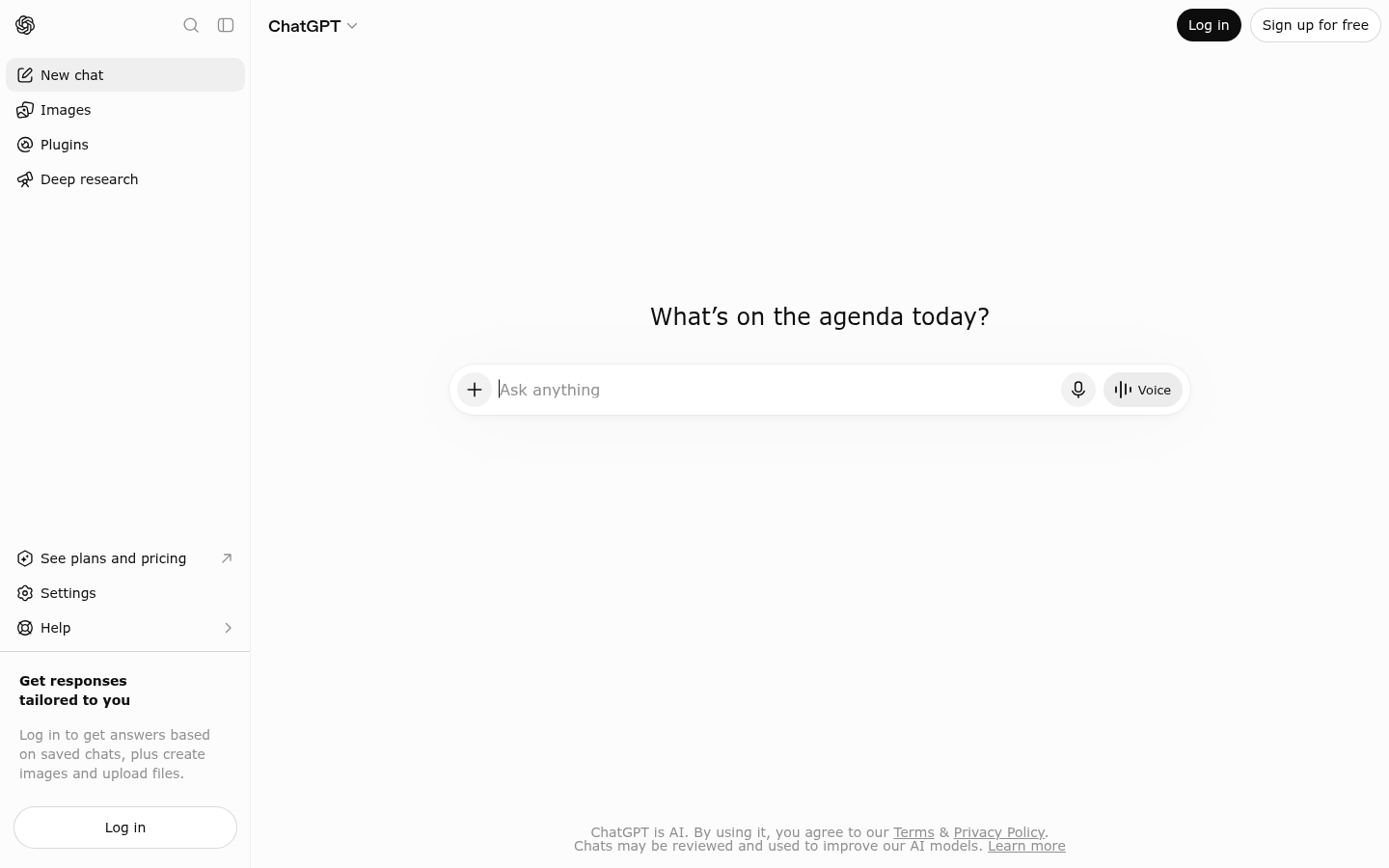
ChatGPT Work launched July 9, 2026 as an agent mode inside ChatGPT, powered by GPT-5.6. Point it at a goal, let it pull context from Slack, Gmail, Google Drive, Salesforce, or SharePoint through @ mentions, and it comes back with a document, spreadsheet, slide deck, dashboard, or small web app, the same deliverable classes Manus produces. It is bundled starting on the $20 a month Plus plan, though OpenAI has described heavier agentic runs as metered by task complexity, and full-speed access leans on the pricier $100 or $200 Pro tiers.
The tradeoff is age and inherited baggage. Work mode is three weeks old at publication, so it has no independent track record of its own yet, and it launches into a product where 2026 Reddit analysis already found a majority of GPT-5 trust-related mentions carrying negative sentiment. If your team already lives in ChatGPT, that risk is easier to accept than starting a new subscription from zero.
Devin: when the deliverable is code, not a document
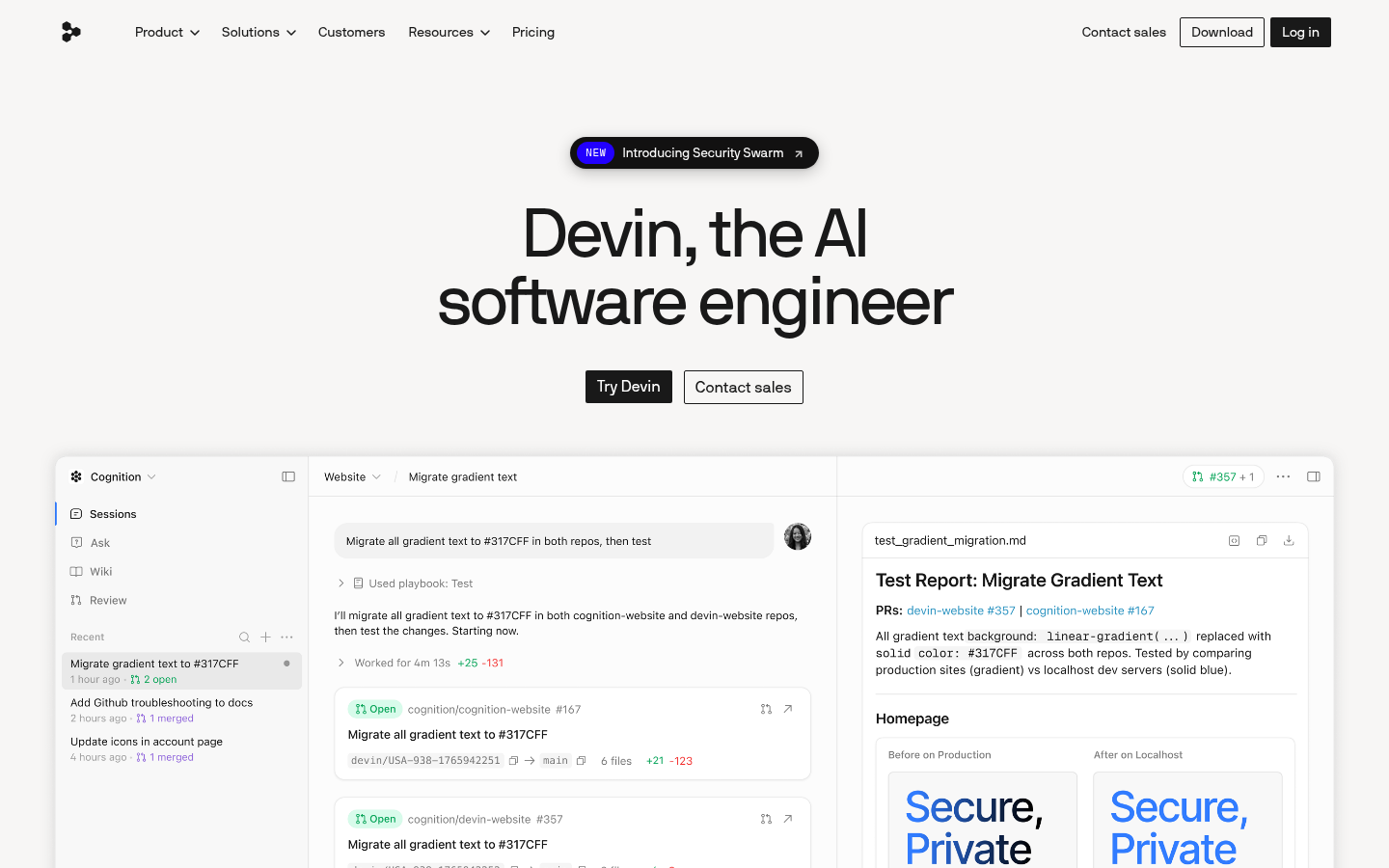
Devin, built by Cognition, is scoped deliberately narrower than Manus: it plans, writes, tests, and ships code inside its own cloud dev environment, then opens a pull request for review. It learns a specific codebase's conventions across sessions instead of starting cold every time, and Team plans can run several Devins in parallel against a large migration.
That focus costs real money. Team pricing runs close to $500 per seat per month, billed on Agent Compute Units at $2.00 to $2.25 each, with no meaningful free tier. Devin will not write you a research report or a slide deck. If shipped, reviewable code is the actual output you want, nothing else on this list does it faster.
Lindy AI: the recurring-workflow answer
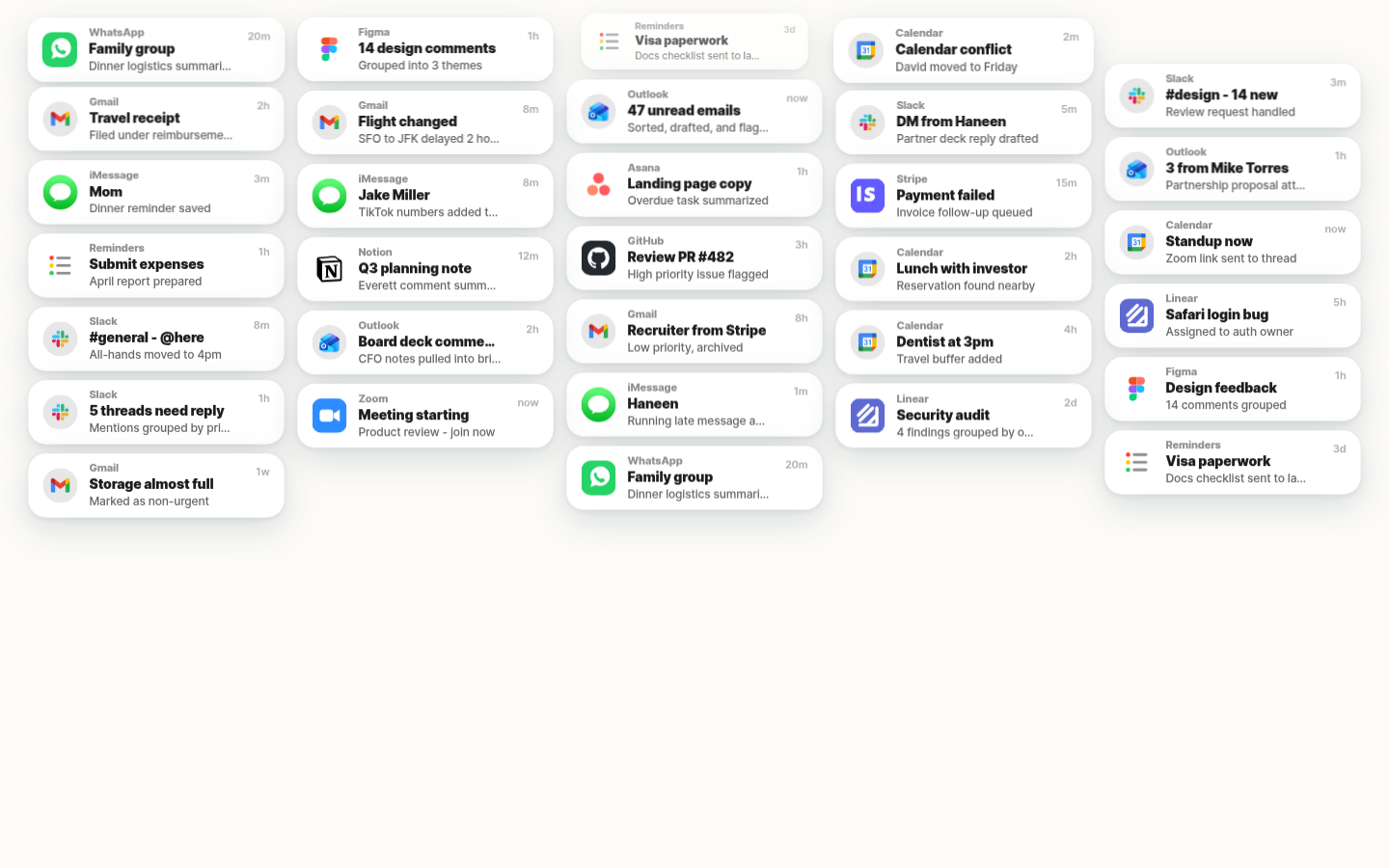
Lindy takes a different angle entirely: instead of one-off research tasks, it is built to own recurring admin work, inbox triage, meeting scheduling, call notes, and follow-ups, reachable over SMS and iMessage as well as a web app. Plus starts at $49.99 a month for up to two inboxes; Pro at $99.99 adds computer-use automation and a choice of underlying model; Max at $199.99 covers up to five inboxes, and an Enterprise tier adds HIPAA, SSO, and audit logging.
Lindy will not generate a finished document or website the way Manus does. What it does well is keep running quietly after setup, which none of the one-shot research agents on this page are built for.
OpenManus: the free, self-hosted answer
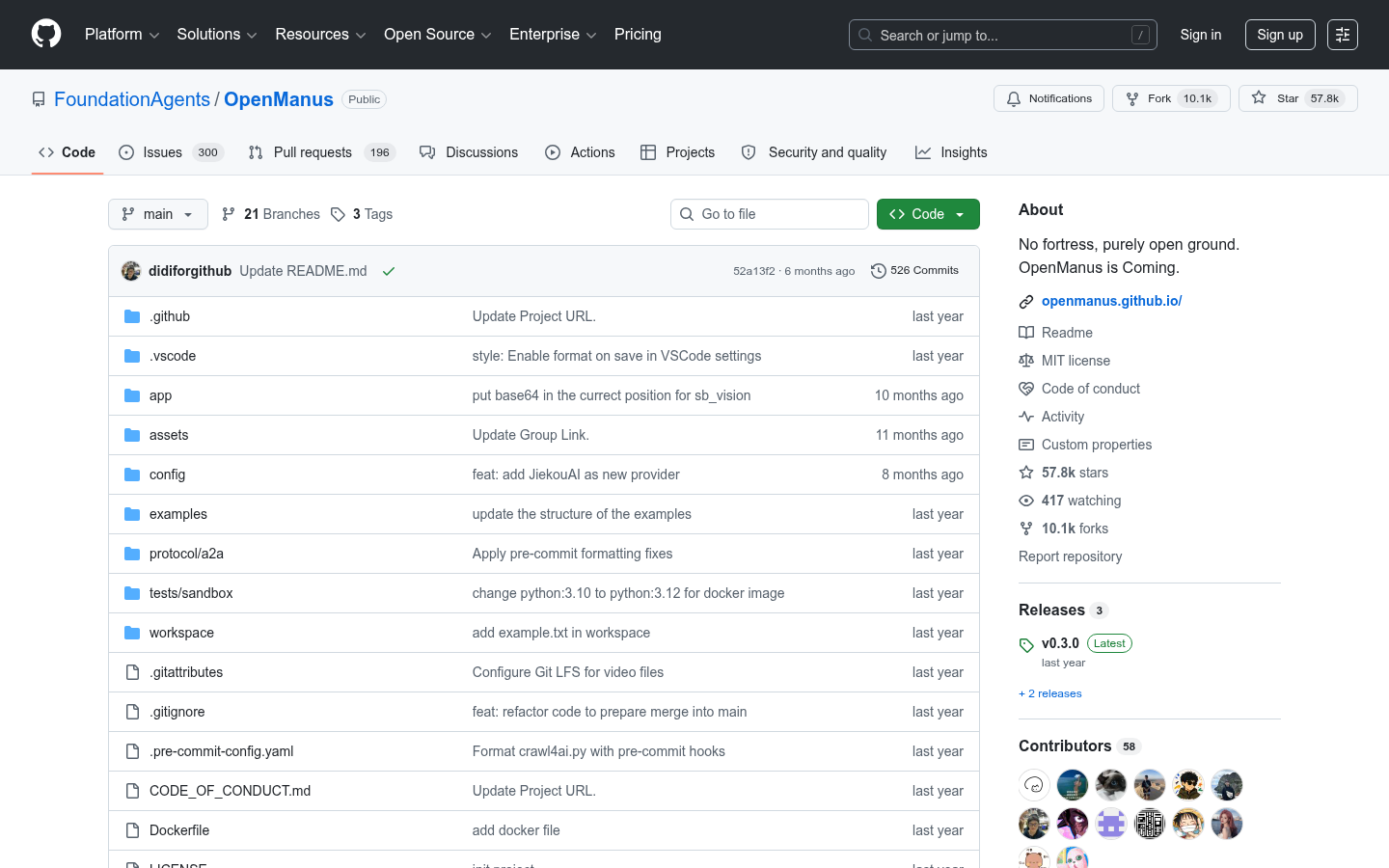
OpenManus is the most literal alternative on this list: an open-source project, started by former MetaGPT contributors, built explicitly to replicate Manus's browser-plus-terminal-plus-file approach without an invite code or a subscription. The MIT-licensed repository has passed 57.8k GitHub stars, install is a conda or uv setup against Python 3.12, and you bring your own OpenAI-compatible API key.
The honest tradeoff is operational. There is no managed hosting, no support contract, and the core project's commit pace has slowed over the past several months, so fixes and new features move on community time. If the actual constraint is "our data cannot leave infrastructure we control," OpenManus is the only product here that solves it directly.
Which Manus alternative should you actually pick
Pick ChatGPT Work if your team already pays for ChatGPT and you want agentic, finished-deliverable tasks without adopting a new tool, and you can tolerate a genuinely new feature still building its own track record. Pick Devin if the artifact you need back is shipped, reviewed code and the $500 a month price is justified by engineering hours saved. Pick Lindy AI if the job is recurring inbox and calendar ownership, not a one-off research task. Pick OpenManus if data control and zero subscription cost outweigh the ops burden of running and patching it yourself. None of the four duplicates Manus's exact browser-plus-terminal-plus-files combination inside one hosted product, but each replaces the specific slice of it you are actually likely to use.
At-a-glance
| ChatGPT Work | Devin | Lindy AI | OpenManus | |
|---|---|---|---|---|
| Entry pricing | Bundled in Plus at $20/month; heavier agentic runs are metered by task complexity, full-speed access leans on Pro at $100 or $200/month | No meaningful free tier; Team runs about $500/seat/month with Agent Compute Units billed at $2.00 to $2.25 each | Plus $49.99/month (2 inboxes); Pro $99.99/month unlocks computer use; Max $199.99/month (5 inboxes); 7-day free trial on Plus | Free and MIT-licensed, self-hosted; real cost is your own compute plus whatever LLM API key you connect |
| What it actually runs | Agent mode inside ChatGPT (GPT-5.6): pulls context from connected apps via @ mentions, ships finished docs, sheets, slides, dashboards, small web apps | Cloud dev environment (shell, browser, editor) scoped to engineering: implements, tests, debugs, opens PRs | No-code agent for recurring admin work: inbox triage, scheduling, meeting notes, follow-ups, reachable by SMS/iMessage | Open-source general agent, optional DataAnalysis agent, Playwright browser automation and code execution on your own machine |
| Concurrent / parallel work | No published hard number; usage ceiling scales with plan, roughly 5x on $100 Pro and 20x on $200 Pro versus Plus | Multiple Devins run in parallel on Team/Enterprise, each consuming its own ACU allotment | Scales by plan tier rather than a concurrency cap; computer-use automation gated to Pro and above | Limited only by the compute you provision yourself; no vendor-imposed cap |
| Self-hosting / data control | No, closed SaaS inside ChatGPT; data handling follows OpenAI's Plus or Enterprise terms depending on plan | No, runs in Cognition's cloud dev environment; enterprise agreements available for data terms | No, closed SaaS; Enterprise tier adds HIPAA, SSO, SCIM, and audit logs for regulated teams | Yes, fully self-hostable, MIT-licensed, 57.8k GitHub stars |
| What you get back | Same deliverable classes as Manus: documents, spreadsheets, slides, dashboards, small web apps | Reviewable pull requests and shipped code, not documents or slide decks | Actions taken on your behalf (replies sent, meetings booked, inbox labeled), not standalone files | Same output classes as Manus, shaped by whichever agent and tools you wire up yourself |
ChatGPT Work
- Ships the same deliverable classes as Manus (docs, slides, sheets, small apps) inside a tool most teams already have open
- Connects to Slack, Gmail, Google Drive, Salesforce, and SharePoint by @ mention, so tasks use real company context
- Desktop app merges Chat, Work, and Codex, so agentic runs and everyday chat share one interface and history
- Launched July 9, 2026, barely three weeks old at publication, so its own track record is still thin
- Heavier agentic runs are metered by task complexity, and full-speed access leans on the pricier Pro tiers
- ChatGPT's core model has drawn documented reliability complaints through 2026, a risk that carries into Work mode
Closest functional match to Manus's finished-deliverable promise, from a vendor most teams already trust, but young enough that its own reputation is still being written.
Devin
- Learns a specific codebase's conventions over time instead of starting cold on every session
- Runs multiple Devins in parallel on a large migration and reports back with reviewable PRs
- Deep integrations with GitHub, Linear, Slack, and Datadog for real engineering workflows
- Around $500 per seat per month puts it out of reach for solo developers and small teams
- Scoped to code only, no browser research reports or slide decks the way Manus produces them
- ACU consumption on large refactors is genuinely hard to estimate before the job runs
The strongest pick if the deliverable you actually want is shipped code, not a document.
Lindy AI
- Purpose-built for recurring admin work rather than one-shot research tasks, so it keeps running after setup
- Reachable over SMS and iMessage, so there is no separate app habit to build for the person delegating tasks
- Enterprise tier covers HIPAA, SSO, and audit logging, unusual depth for a workflow agent at this price point
- Narrower scope than a research or browsing agent, it is not built to generate documents or slide decks
- Entry price of $49.99 a month is higher than most single-purpose AI tools before any premium tier
- Full computer-use automation is gated behind the Pro tier and above, not available at entry price
Best when the job is running your inbox and calendar, not producing a one-off research artifact.
OpenManus
- Free and MIT-licensed with 57.8k GitHub stars, a large enough community to actually inspect and trust the code
- Fully self-hostable, so data and model choice stay entirely under your own control
- Optional DataAnalysis agent and MCP tool support extend what the base agent can act on
- No managed hosting or support contract, uptime, patching, and scaling are entirely your responsibility
- Setup requires comfort with Python environments, config files, and bringing your own LLM API key
- Core project's commit pace has slowed, so fixes and new features arrive on community time, not a vendor roadmap
The right call only if you have the ops capacity to run and maintain it yourself.
Verdict
ChatGPT Work is the closest general-purpose substitute for Manus's finished-file promise, and the safest starting point if your team already pays for ChatGPT, though it is new enough that its own reputation is still forming. Devin beats everything here on code specifically, at a price only engineering teams can justify. Lindy AI is not really competing on the same axis: pick it when the job is recurring inbox and calendar ownership rather than one-off research. OpenManus is the only option that hands you full data control for zero subscription cost, in exchange for owning the operations yourself. None of the four fully duplicates Manus's browser-plus-terminal-plus-files combination in one hosted product, but each one replaces the specific slice of it you are actually likely to use.
How we tested
We pulled live homepage screenshots and current pricing pages for all five products in July 2026, cross-checked published concurrency and credit or ACU limits against each vendor's own pricing page, and read G2, Reddit, and GitHub threads for failure modes vendors do not surface on their landing pages. Custom scores are directional, built from the frequency and tone of independent user reports rather than one shared benchmark, since none of these vendors publish a common task-completion metric. Where a figure could not be confirmed on the vendor's own site, we said so instead of estimating it.